

Designing Smarter, More Efficient Systems
Perspectives | AI & Automation
The next step in intelligent technology.
We live in an era where speed, accuracy, and adaptability are the benchmarks of success. At the heart of this transformation lies one unifying force: the design of smarter, more efficient systems powered by AI and automation. From smart cities to personalized digital assistants, these systems are shaping a world where machines think and act with intent.
Engineering for Intelligence
The new wave of systems isn't just built to function—they're built to learn, evolve, and optimize themselves. Modern engineering now integrates sensors, machine learning algorithms, and automated controls to create ecosystems that self-correct and improve continuously.
Example: Smart Infrastructure
Urban infrastructure now features traffic systems that adapt in real-time, smart grids that balance energy distribution, and water management systems that detect leaks before they become disasters. All of this is possible through predictive algorithms and connected sensors.
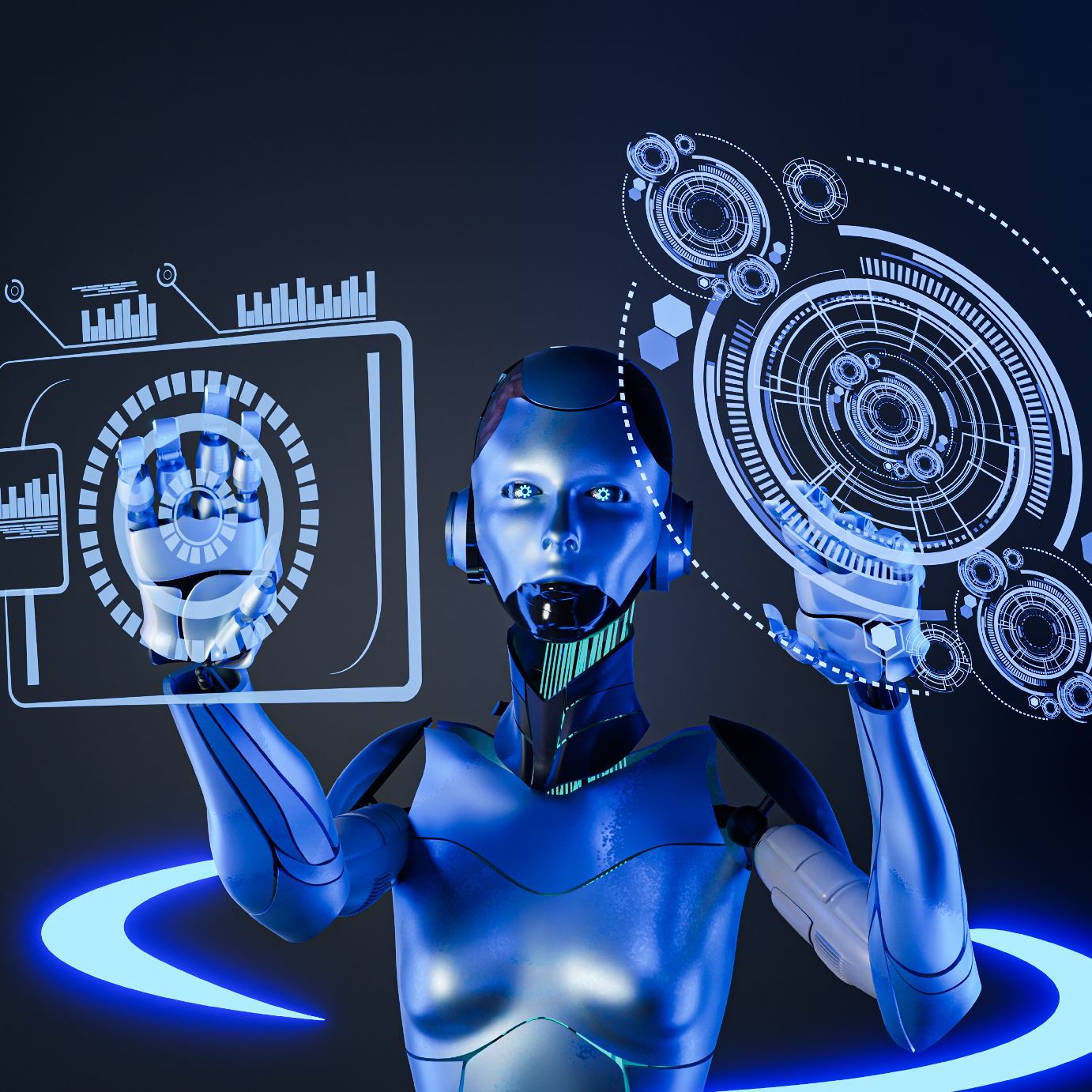
Automation: From Rote to Revolutionary
Automation has gone far beyond repetitive factory tasks. Today's automation is dynamic and decision-driven—capable of interpreting data, understanding context, and making choices on the fly.
Example: Logistics & Supply Chain
AI-powered logistics platforms manage global shipping routes, predict inventory needs, and minimize waste. Automated warehouses powered by robots and AI reduce human error while dramatically increasing throughput and speed.
Data, Decisions, and Design
Smart systems are built on data—but not just any data. High-quality, real-time information is critical for intelligent decision-making. Engineers now focus not just on functionality, but on how systems perceive and process their environments.
Example: Personalized Healthcare
Wearable devices gather biometric data to provide users and healthcare providers with actionable insights, enabling early detection of health issues and personalized care plans.
Human-Centric Automation
A major shift in modern design is the emphasis on collaborative automation—systems that work with people, not against them. Whether it's AI copilots in aviation or robotic arms that adjust to a human worker's pace, the goal is synergy, not substitution.
Example: Industrial Robotics
Cobots (collaborative robots) work safely alongside humans in assembly lines, taking over heavy lifting or repetitive tasks while allowing human workers to focus on creative problem-solving and oversight.
Looking Forward: Designing with Responsibility
Smarter systems bring immense power—and with it, a responsibility to design with ethics, inclusivity, and sustainability in mind. As AI and automation become deeply embedded into daily life, transparency, fairness, and human oversight are more crucial than ever.

Designing smarter, more efficient systems is not just a technological upgrade—it's a paradigm shift.
Mechionix Research Team
Conclusion
Designing smarter, more efficient systems is not just a technological upgrade—it's a paradigm shift. It's about creating intelligent frameworks that not only perform better but think better. As we move forward, the collaboration between human ingenuity and machine precision will define how far—and how well—we go.
Tags:
